

Selling a home in the Hudson Valley can feel like a maze: many steps, firm deadlines, and a few procedures that exist only in New York. This guide lays out the timeline for selling a house in New York, phase by phase, from the first conversation with an agent to the day you hand over the keys, so you know what happens next and roughly how long each stage takes.
The home selling timeline at a glance
- Preparation: pricing, repairs, cleaning and marketing, usually a few weeks.
- On the market: showings and offers, anywhere from days to months depending on price, condition and town.
- The contract stage: the attorneys negotiate the contract of sale; in our experience this commonly takes one to two weeks.
- Contract to closing: inspection, appraisal, the buyer's loan and title work; for a financed sale this commonly takes one to three months.
- Closing week: the buyer's final walk-through and the closing itself.
Every sale moves at its own pace. The phases below explain what drives each one.
Phase 1: Preparation
Pricing strategy
Start with a comparative market analysis: recent sales of truly similar homes nearby, adjusted for condition, size, updates and location. Overpricing is the most common reason a house sits, and a listing that sits often sells for less than a correctly priced one would have. Our home value page is the place to start.
Getting the house ready
- Declutter and depersonalize so buyers can picture themselves there.
- Fix the small things: dripping faucets, dead bulbs, sticky doors, scuffed paint.
- Clean thoroughly, inside and out.
Consider a pre-listing inspection if the house is older; it lets you fix or price in problems before a buyer finds them. Our seller's guide to preparing for the home inspection covers it.
Disclosure and marketing
New York sellers of most one- to four-family homes must give the buyer a Property Condition Disclosure Statement before the buyer signs a contract. Since March 20, 2024, sellers can no longer skip it by giving a $500 credit, and the form now includes questions about flood risk and flood history (New York State Bar Association; the current form, DOS-1614). Prepare it early with your attorney; our guide to seller disclosures in New York explains it.
Meanwhile your agent prepares the marketing: professional photography, a floor plan, video or a 3D tour where it helps, and a listing description that tells the house's story accurately.
Phase 2: On the market
The listing goes live
The listing is entered in the local multiple listing service (OneKey MLS in most of the Hudson Valley and New York City), which shares it with cooperating brokers and the major home search sites. See how we sell homes on our selling page.
Showings and open houses
Keep the house show-ready and showing hours as open as you can stand. Most showings happen with you out of the house.
Offers
An offer is a package, not just a price. Compare:
- price;
- the strength of the buyer's financing and pre-approval;
- the down payment and deposit;
- contingencies (mortgage, inspection, appraisal);
- the requested closing date and any rent-back.
When you accept one, the agents prepare a deal sheet summarizing the terms and send it to both attorneys.
Phase 3: The New York contract stage
This is where New York differs from most states. An accepted offer is not a binding contract. Downstate, the seller's attorney drafts the contract of sale; upstate, an agent often prepares it subject to the attorneys' approval (NYSBA). The attorneys negotiate the details: what happens with inspection findings, the mortgage contingency, the deposit, what stays with the house.
Until both parties sign, either side can still walk away. There is no statutory "attorney review" period in New York, so speed depends on the attorneys; choose one who responds quickly (see why you need a real estate attorney in New York).
The contract becomes binding when both sides have signed and the buyer's deposit is held in escrow, usually by the seller's attorney. The deposit amount is negotiated.
Phase 4: From contract to closing
The buyer's inspection
Depending on how the contract is written, the buyer inspects before or shortly after signing. Afterwards the buyer may ask for repairs or a credit. You are generally not obliged to agree to every request unless your contract says so, though a lender's requirements (FHA and VA have minimum property standards) and local code can force some repairs. Most negotiation centers on safety, structure and major systems, not cosmetics.
The appraisal
If the buyer has a mortgage, the lender orders an appraisal. If it comes in below the contract price, the lender lends against the lower value. The usual outcomes:
- the buyer covers the gap in cash;
- you lower the price;
- you split the difference;
- the buyer asks the lender for a reconsideration of value, pointing out factual errors or better comparable sales; federal regulators issued guidance on these requests in 2024 (CFPB);
- the buyer cancels, if the contract's financing terms allow it.
Underwriting and the loan commitment
The lender verifies the buyer's income, assets and credit and the property's appraisal and title, then issues a commitment and eventually a clear to close. A well-qualified, fully pre-approved buyer is your best protection against delays here.
Title
The buyer's title company searches public records for liens, judgments or old mortgages. Your attorney clears anything that turns up, such as a paid-off mortgage never formally discharged, so you can deliver clean title.
Phase 5: Closing week
The buyer's final walk-through
Shortly before closing the buyer checks that the house is in the condition the contract requires, repairs are done, included items are there, and the house is empty and broom clean. Have receipts and warranties for repair work ready. Our final walk-through checklist is what the buyer will use.
Closing day
Closings are commonly held at an attorney's or title company's office. You sign the deed and the transfer tax forms, your existing mortgage is paid off from the proceeds, costs are settled, and you receive the balance. You hand over the keys, and the sale is complete.
Your home selling blueprint
- Strategy and preparation: agent, attorney, price, repairs, disclosure form.
- Launch and negotiation: marketing, showings, an accepted offer.
- The contract: attorneys negotiate; both sides sign; the deposit goes into escrow.
- The buyer's due diligence: inspection, appraisal, loan, title.
- Closing: walk-through, signatures, keys.
Thinking about selling? Start with a home valuation and a plan built around your dates, or talk with us.
Frequently asked questions
How long does it take to sell a house in New York?
It depends on the market and the house. After you accept an offer, the contract stage commonly takes one to two weeks and a financed sale commonly closes one to three months after the contract is signed, so plan for several months from listing to closing.
How long does attorney review take in NY?
New York has no fixed attorney review period. The attorneys negotiate the contract of sale after the offer is accepted, and the deal is binding only when both sides sign; in practice this often takes one to two weeks.
Do I have to give buyers a property condition disclosure in New York?
For most one- to four-family homes, yes. Since March 20, 2024 the $500 credit alternative is gone, and the form includes flood questions.
What happens if the appraisal is low?
The buyer covers the gap, you reduce the price, you meet in the middle, or the buyer requests a reconsideration of value. If none works, the buyer may be able to cancel under the contract's financing terms.
Do I have to make the repairs a buyer asks for?
Generally not unless your contract requires it, although a buyer's lender or local code may require some. Repair requests are usually a negotiation.
Sources
- New York State Bar Association, Property Condition Disclosure Act amendments and buying and selling real estate
- Consumer Financial Protection Bureau, reconsideration of value
- NYS Department of State, Property Condition Disclosure Statement, DOS-1614
Checked against these sources on September 24, 2026. Durations described as "in our experience" are typical ranges from our own transactions, not rules.
Keep reading
For Sale By Owner (FSBO) vs. Using an Agent: The Pros and Cons in New York 
July 15, 2026
For Sale By Owner (FSBO) vs. Using an Agent: The Pros and Cons in New York
Preparing for the Home Inspection: A Seller's Guide to a Smooth Process 
June 10, 2026
Preparing for the Home Inspection: A Seller's Guide to a Smooth Process
Common Mistakes Hudson Valley Home Sellers Make (And How to Avoid Them) 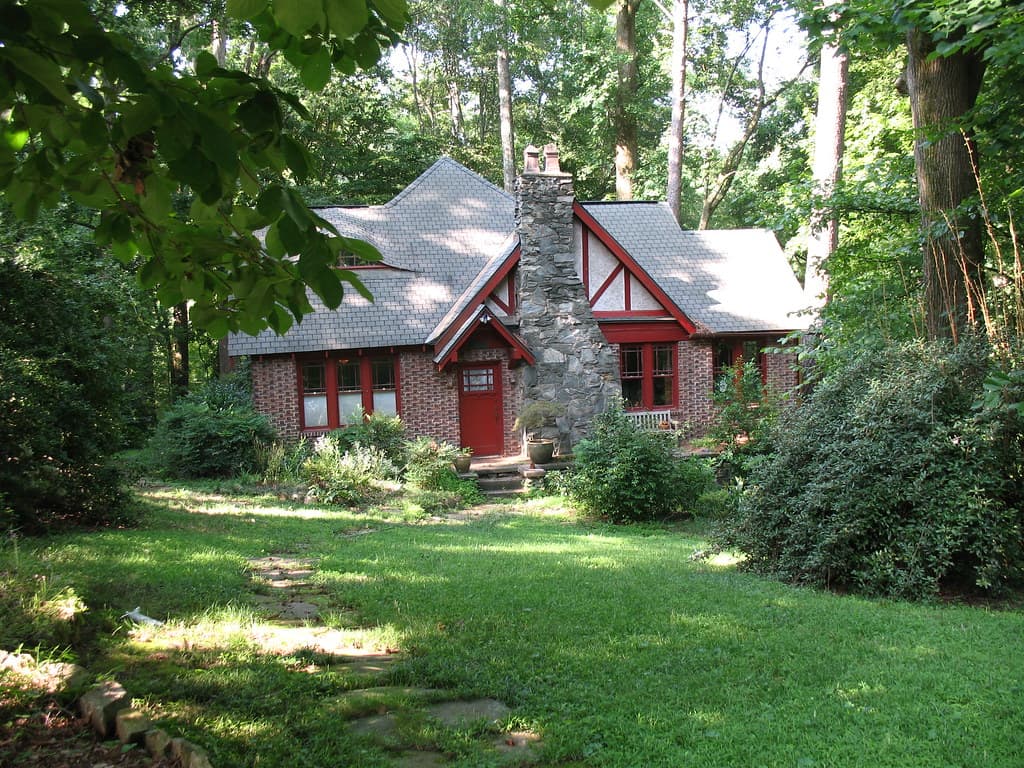
February 2, 2026
Common Mistakes Hudson Valley Home Sellers Make (And How to Avoid Them)
Have a question this post did not answer?
We answer seven days a week. Ask about this article, or anything else across the Hudson Valley.