
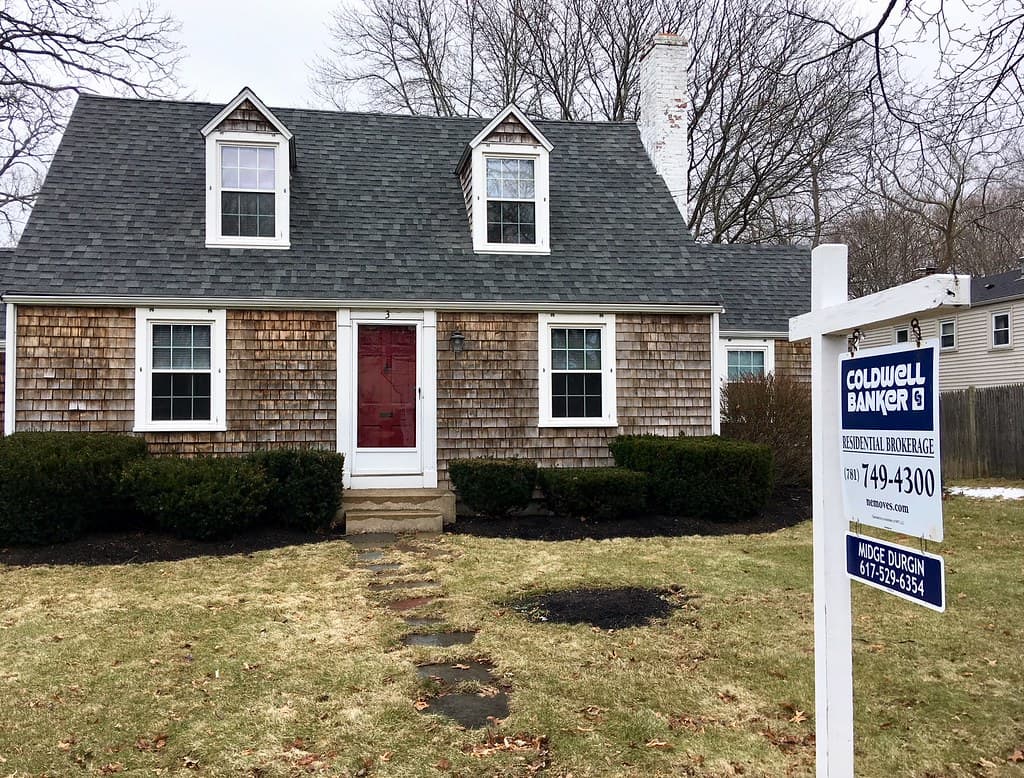
When I bought my first house, I used a first-time home buyer program. After all the numbers were settled at closing, I actually received money back. I was, in effect, paid to buy my house.
That is not a promise anyone can make you, but it shows what becomes possible when uncertainty is replaced with a plan. This first-time home buyer NY checklist is that plan: ten steps, in order, from the first look at your credit to the day you get the keys, written for buyers in the Hudson Valley and New York City and updated with 2026 program figures.
The first-time home buyer checklist at a glance
- Build your financial foundation: credit, debt-to-income, savings.
- Get pre-approved, and ask every lender about assistance programs.
- Choose a local buyer's agent and read the written agreement.
- Separate your needs from your wants.
- Search, tour and compare.
- Make a strong offer.
- Hire a real estate attorney.
- Inspect the house and let the lender appraise it.
- Get your mortgage commitment and homeowners insurance.
- Do the final walk-through and close.
The rest of this guide takes each step in turn.
Step 1: Build your financial foundation
Before you open a single listing, the most useful work happens at your kitchen table. Three things decide whether you can buy and what the loan will cost you over its life.
Your credit score
Your credit score is the lender's shorthand for how you handle debt, and it is one of the biggest factors in the interest rate you are offered. Minimums are lower and less fixed than many buyers think. Since November 2025, Fannie Mae no longer applies a hard 620 floor to loans run through its automated underwriting system, Desktop Underwriter, and instead weighs the whole file; manually underwritten loans and many individual lenders still use 620 as a floor (Fannie Mae). For an FHA loan, HUD allows the minimum 3.5% down payment with a score of 580 or higher, and a score between 500 and 579 with 10% down (HUD).
A higher score still buys a better rate. The habits that move it are the familiar ones: pay every bill on time, keep card balances well below their limits, and avoid opening new credit while you are shopping for a home.
Your debt-to-income ratio
Your debt-to-income ratio (DTI) is all of your monthly debt payments divided by your gross monthly income (CFPB). If your car payment, student loan and card minimums add up to $1,200 and you earn $6,000 a month before tax, your DTI before housing is 20%.
There is no single legal limit. The CFPB notes that different loan products and lenders set different DTI limits, so ask your lender for theirs. A common personal budgeting guide is to keep housing costs near 28% of gross income and all debts near 36%; treat it as a comfort line rather than a lender rule.
The pieces work together. Paying down a high-interest card lowers your credit utilization, which can lift your score, and removes a monthly payment, which lowers your DTI. One move strengthens both.
Your savings: three separate pots
- Down payment. You do not need 20% down. Fannie Mae's HomeReady loan allows as little as 3% down for eligible borrowers (Fannie Mae), and FHA allows 3.5% (HUD). Putting down less than 20% on a conventional loan usually means paying private mortgage insurance until you build equity.
- Closing costs. Freddie Mac suggests budgeting 2% to 5% of the purchase price (Freddie Mac). New York adds its own items, such as the attorney's fee and the mortgage recording tax; our guide to buyer closing costs in New York breaks them down.
- Reserves. Some loan programs and lenders want to see savings left over after closing, often measured in months of mortgage payments. Ask what your lender requires before you decide how much to put down.
For the down payment side in detail, read how much you really need for a down payment in the Hudson Valley.
Step 2: Get pre-approved and ask about NY first-time home buyer programs
A pre-qualification is a quick estimate. A pre-approval is a conditional commitment from a lender after it has checked your pay stubs, W-2s, bank statements and tax returns. It tells you your real budget, and it tells a seller you are a serious buyer. Our article on getting pre-approved for a mortgage walks through what lenders check, and the financing page explains how we connect buyers with lenders.
When you talk to a lender, ask one question plainly: which down payment and closing cost assistance programs do you offer? These are the main ones New York buyers should know about, with the figures as published in 2026.
SONYMA, New York State's mortgage agency
The State of New York Mortgage Agency (SONYMA) lends through participating banks and is built for first-time buyers.
- Achieving the Dream is a low down payment, fixed-rate mortgage for lower-income first-time buyers. It finances up to 97% of the value on most one- and two-family homes and condominiums, with a minimum cash contribution from you of 1% (NYS Homes and Community Renewal).
- The Down Payment Assistance Loan (DPAL) pairs with a SONYMA mortgage and provides the greater of $3,000 or 3% of the purchase price, up to $15,000, toward the down payment or closing costs. It carries no interest and no monthly payment, and it is forgiven over ten years of living in the home; if you sell or refinance sooner, part of it may have to be repaid. A mortgage with DPAL attached carries a rate 0.40% higher than one without (NYS Homes and Community Renewal).
- DPAL Plus 2026 is a limited, larger version: up to $30,000 for buyers at or below 60% of area median income, with a $500,000 price limit and a $7.5 million funding pool, so it can run out (SONYMA term sheet, rev. 06/2026).
HomeFirst, for buyers in the five boroughs
New York City's Department of Housing Preservation and Development (HPD) runs HomeFirst, which provides up to $100,000 toward the down payment or closing costs on a one- to four-family home, condominium or co-op in the five boroughs. It is a forgivable loan: forgiven after 10 years for loans up to $40,000 and after 15 years for larger ones. As of 2026, household income can be up to 120% of area median income, buyers must complete an HPD-approved homebuyer education course, and at least 3% of the purchase price must come from your own funds. Purchase price limits apply by borough (NYC HPD).
Bank programs
Some national banks fund their own grants. Bank of America, for example, offers America's Home Grant, a lender credit of up to $7,500 toward non-recurring closing costs, and a Down Payment Grant of up to 3% of the price, capped at $10,000, in select markets, with income limits and a first-time buyer requirement (Bank of America). Availability depends on where the home is, so confirm it for the specific address.
Programs can sometimes be combined; SONYMA's DPAL Plus rules, for instance, apply other subsidies first. Your lender is the one who can say which combination works for your loan.
Step 3: Choose a local buyer's agent
The Hudson Valley is not one market. Rhinebeck, Beacon, Tarrytown and Newburgh each have their own prices, school districts and commutes, and New York City is a different world again. A buyer's agent who works your area can tell you whether an asking price is realistic, which blocks flood, and what a house like this one sold for last spring.
One rule changed in 2024 and first-time buyers should know it. Since August 17, 2024, agents who use the MLS must sign a written agreement with a buyer before touring homes together. The agreement must state the agent's compensation in a clear amount or rate, and it must say that commissions are fully negotiable (National Association of REALTORS). A seller may still offer to cover some or all of it, but read the agreement before you sign, and ask what happens if the seller does not. See how we work with buyers.
Step 4: Separate your needs from your wants
Before the photos start doing your thinking for you, write two lists.
- Needs are deal-breakers: your maximum price, a longest acceptable commute, a minimum number of bedrooms and baths, and a school district if that matters to your household.
- Wants are nice to have: a fenced yard, a home office, a garage, a walk to Main Street, a particular style of house.
Then think five to ten years ahead. A house that fits your life today and still fits it later is a better purchase than one that fits only this year.
Step 5: Search, tour and compare
With a pre-approval and your two lists, the search becomes focused. Set up alerts on our home search for the towns and price you have chosen, go to open houses, and book private showings for the homes that pass your needs list.
The housing stock here is varied: historic stone and clapboard houses in Kingston and the river towns, mid-century houses in the northern Westchester woods, Victorians in Newburgh, and condominiums with river views in the cities. Tour widely early on; it is the fastest way to calibrate what your budget buys.
Step 6: Make a strong offer
When you find the house, your agent will help you put together an offer. In New York it usually includes:
- Price.
- Your pre-approval letter.
- A proposed closing timeline. Financed purchases commonly take one to two months from signed contract to closing; your lender and attorney can give you a realistic date.
- Contingencies, the conditions that let you step back without losing your deposit. The usual ones are a mortgage contingency (you get a set time to obtain a loan commitment), an inspection condition, and, where you negotiate one, an appraisal condition.
In a competitive situation there are other levers besides price. Our guide to making a winning offer in the Hudson Valley covers them.
Step 7: Hire a real estate attorney
In New York, and especially downstate, buyers and sellers are each represented by their own attorney as a matter of long practice. No statute requires it, but the process is built around it: downstate, the seller's attorney usually drafts the contract of sale, and the New York State Bar Association advises consulting an attorney before you sign anything, or immediately after signing a binder that is subject to attorney approval (NYSBA).
This matters because an accepted offer is not yet a signed contract. Until both sides sign the contract of sale, the deal can still change. Your attorney reviews and negotiates the contract, orders the title search, arranges title insurance, and represents you at closing. More on this in why you need a real estate attorney in New York.
Step 8: Inspect the house and let the lender appraise it
- The home inspection. A licensed home inspector examines the structure and the major systems: roof, foundation, plumbing, electrical, heating and cooling. Use the report to decide whether to proceed, renegotiate or ask for repairs. Our home inspection checklist lists what to watch.
- The appraisal. Your lender orders an independent appraisal to confirm the home is worth what it is lending against.
Many Hudson Valley homes need more than the standard inspection:
- Radon. The New York State Department of Health recommends hiring a certified radon tester before you buy, with results from a state-approved laboratory (NYSDOH).
- Private well. If the house has its own well, test the water. The Department of Health recommends testing at least once a year for bacteria and every three to five years for other contaminants, using a lab certified by its Environmental Laboratory Approval Program (NYSDOH). A flow test tells you whether the well keeps up with a household.
- Septic. A house off the public sewer has a septic system. Have a septic specialist inspect the tank and the leach field; replacing a failed system is one of the largest repair bills a buyer can inherit.
- Other checks. Depending on age and setting, consider a wood-destroying insect inspection and a chimney inspection.
Step 9: Get your mortgage commitment and homeowners insurance
After the appraisal and any final paperwork, the lender issues its commitment and, eventually, a clear to close. At least three business days before closing, you will receive a Closing Disclosure listing your final loan terms and costs; compare it with your Loan Estimate (CFPB).
Your lender will also require homeowners insurance in place by closing. Start collecting quotes a few weeks ahead, particularly for older houses or homes near water, where coverage can take longer to arrange.
Step 10: The final walk-through and closing day
- The final walk-through usually happens a day or so before closing. Confirm the house is in the condition you agreed to buy, the seller's belongings are gone, and any agreed repairs are done. Our final walk-through checklist covers it room by room.
- Closing in New York typically takes place at an attorney's office or the lender's attorney's office, with your attorney, the seller's side and a title representative. You sign the loan documents and the transfer papers, the funds move, and you get the keys.
Your next step
Ten steps look like a lot on a page, but each one is manageable, and several happen at the same time. If you would like to talk through your own numbers, which programs you might qualify for, or which towns fit your budget, ask us directly. A first conversation costs nothing.
Frequently asked questions
What credit score do I need to buy a house in New York?
It depends on the loan. FHA allows the 3.5% minimum down payment with a score of 580 or higher, and 10% down with a score from 500 to 579. Since November 2025, Fannie Mae's automated underwriting no longer applies a fixed 620 minimum, although many lenders and manually underwritten loans still do. Ask each lender for its own floor.
How much do I need for a down payment as a first-time buyer in NY?
Often far less than 20%. Conventional programs such as Fannie Mae's HomeReady allow 3% down, FHA allows 3.5%, and SONYMA's Achieving the Dream requires a minimum cash contribution of 1% from you, with assistance such as DPAL able to cover more.
Do first-time home buyers pay closing costs in New York?
Yes, buyers pay closing costs in New York, commonly budgeted at 2% to 5% of the price. Programs such as SONYMA's DPAL, NYC's HomeFirst and some bank grants can be used toward them.
Do I need a lawyer to buy a house in New York?
No law requires one, but it is standard practice, particularly downstate, where the seller's attorney drafts the contract of sale. The New York State Bar Association advises consulting an attorney before you sign anything.
How long does it take to buy a house in New York?
After you have a house under contract, a financed purchase commonly takes one to two months to close, depending on the lender, the title work and the attorneys. Searching before that has no fixed length.
Sources
- Fannie Mae, Desktop Underwriter credit risk assessment updates and HomeReady
- HUD, FHA minimum credit score and minimum down payment
- Consumer Financial Protection Bureau, debt-to-income ratio and Closing Disclosure
- Freddie Mac, what are closing costs
- NYS Homes and Community Renewal, Achieving the Dream, DPAL and DPAL Plus 2026 term sheet
- NYC Department of Housing Preservation and Development, HomeFirst
- Bank of America, affordable housing programs
- National Association of REALTORS, what the settlement means for buyers and sellers
- New York State Bar Association, the attorney's role in home purchase transactions
- New York State Department of Health, radon and private well water testing
Program terms, limits and income caps change. Figures here were checked against the sources above on September 24, 2026; confirm current terms with your lender before you rely on them.
Keep reading
The Final Walk-Through: Your Last Chance Checklist Before Closing 
May 21, 2026
The Final Walk-Through: Your Last Chance Checklist Before Closing
How to Make a Winning Offer in the NY Hudson Valley's Competitive Market 
April 8, 2026
How to Make a Winning Offer in the NY Hudson Valley's Competitive Market
The Ultimate Home Inspection Checklist: 9 Critical Things You Can't Overlook 
February 19, 2026
The Ultimate Home Inspection Checklist: 9 Critical Things You Can't Overlook
Have a question this post did not answer?
We answer seven days a week. Ask about this article, or anything else across the Hudson Valley.